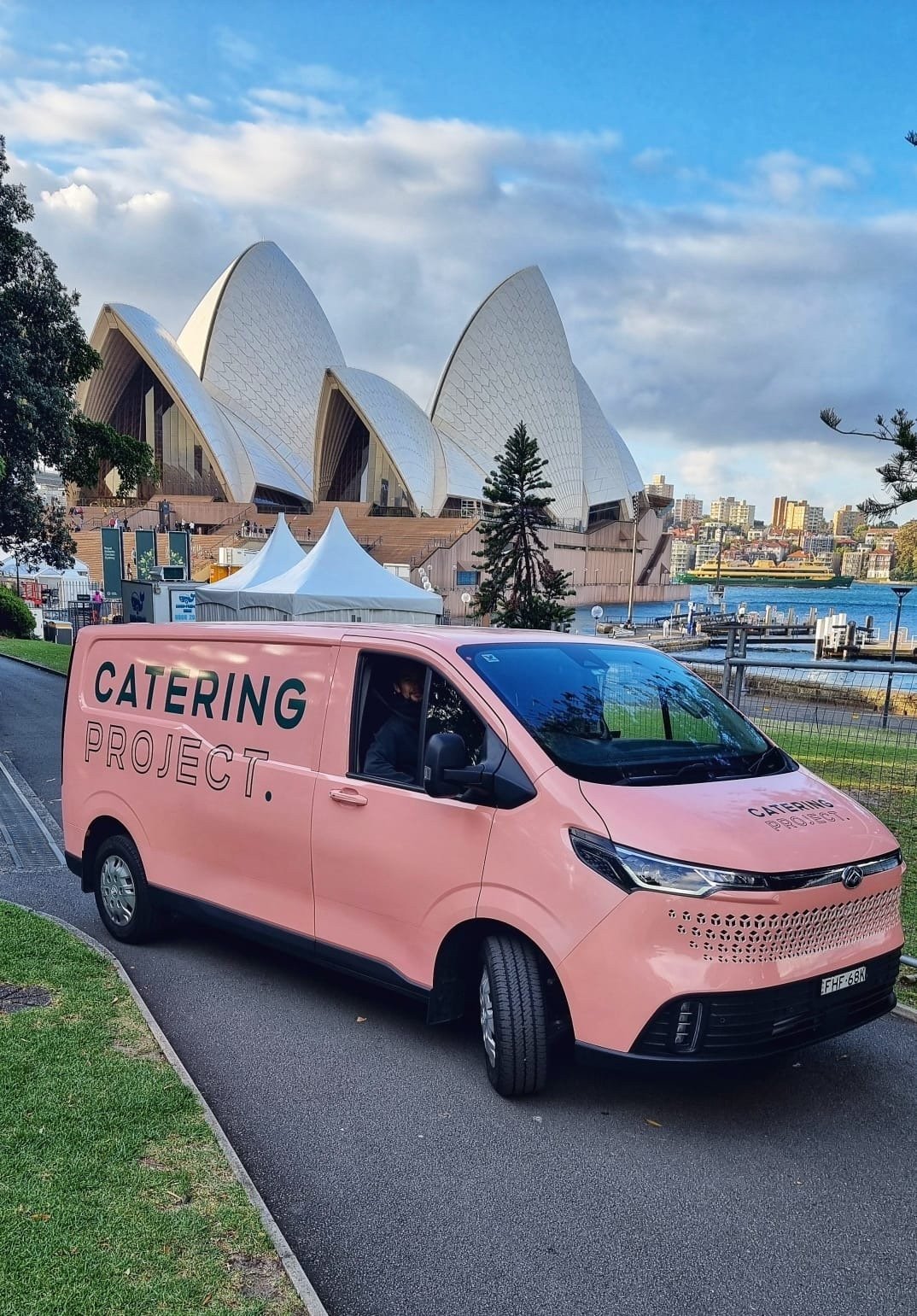
Catering Project's Carbon Footprint
Great food. Lighter footprint.
Local, seasonal produce.
Less waste.
Smart, sustainable packaging.
Fewer food miles.
At TPP Hospitality Group, we are passionately committed to sustainability as an integral part of our business ethos. Recognising the profound impact our industry can have on the environment and communities, we pledge to operate in a manner that actively promotes ecological health, social responsibility, and ethical practices.
Our commitment to sustainability is embedded in every facet of our operations. We are dedicated to minimising our environmental footprint, supporting local economies, and fostering a workplace culture that prioritises the well-being of both our employees and the communities we serve
Catering Project is committed to reducing its carbon footprint through a series of thoughtful initiatives woven into every stage of its operations. From sourcing seasonal, locally grown produce to minimise transport emissions, to designing menus that incorporate more plant-forward dishes, the team actively seeks ways to reduce environmental impact without compromising on quality or creativity. Packaging is carefully considered, with a strong preference for compostable, recyclable, and reusable solutions, while food waste is reduced through precise production planning and partnerships that divert surplus to community programs. By continuously reviewing its practices and embracing innovative, sustainable solutions, Catering Project is working to create experiences that are not only memorable, but also mindful of the planet.
In addition to food and packaging initiatives, Catering Project is transitioning its operations toward cleaner energy solutions and smarter technology. Where possible, the business is moving its delivery fleet to electric and hybrid vehicles, significantly lowering emissions generated from transport. Within the office, energy-efficient systems and cloud-based technologies are utilised to cut down on unnecessary printing and paper use, while smart scheduling and communication tools reduce travel requirements between teams. Together, these steps ensure that sustainability is embedded not just in the food we serve, but in the way we move, work, and connect every day.